

Let’s face it: money isn’t just numbers — it’s emotional, personal, and sometimes downright confusing. Especially during times like now, when prices are up, jobs feel less secure, and the future feels foggy, our relationship with money can get… complicated. 😵💫
But you’re not alone. Let’s break it down and explore why we think, feel, and act the way we do with money… and how to make those habits work for you, not against you.
💥 Why Money Feels So Emotional
Money is tied to security, freedom, status, and even self-worth. That’s why financial stress can feel like life stress. Whether it’s feeling guilty for spending, anxious about saving, or avoiding your bank account altogether — it’s not just you being “bad at money.” It’s human psychology.
And when times get tough (hello inflation, layoffs, and market drama), those emotions go into overdrive.
🧠 The “Money Mindsets” We Often Fall Into
- Scarcity Mindset
“There’s never enough.”
You might constantly feel like you’re falling behind, no matter how much you save. It can cause you to either hoard money out of fear… or overspend because “what’s the point?” - Avoidance Mode
Out of sight, out of mind.
Bills pile up, budgets get ignored, and you avoid checking your account because it’s too overwhelming. - Over-Control Mode
Every penny is tracked, but joy is nowhere in sight.
This mindset values financial security so much, it forgets that money should also be a tool for happiness. - Impulse Spending for Comfort
Retail therapy, anyone?
When the world feels chaotic, buying that skincare set or new gadget brings temporary relief. But it can create long-term stress.
🌧 Why It Hits Harder in Uncertain Times
Right now, many of us are dealing with:
- Rising costs (from groceries to rent)
- Job insecurity or lower income
- Market dips affecting savings
- Global uncertainty that makes the future feel unstable
When external stress goes up, our brains crave control or comfort, and money becomes the tool we use to cope — for better or worse.
💡 How to Take Control Without the Overwhelm
- Name Your Emotions Recognize how you feel about money before trying to “fix” anything. Guilt, fear, shame, or anxiety? All normal. The goal is awareness, not perfection.
- Create a ‘Calm Budget’ Budgeting isn’t about restriction — it’s about clarity. Even a simple “spend/save/joy” breakdown helps you feel more in control.
- Set Micro Goals Can’t save $10,000? Try $10 a week. Tiny wins build trust with yourself and reduce overwhelm.
- Forgive Financial Mistakes Bought something impulsively? It’s okay. Learn from it and move forward. Shame doesn’t help — grace does.
- Focus on What You Can Control You can’t fix the economy, but you can build habits that protect your peace — like tracking your expenses, automating savings, or learning new money skills.
📘 Books to Shift Your Money Mindset:

“The Psychology of Money” by Morgan Housel
“Your Money or Your Life” by Vicki Robin

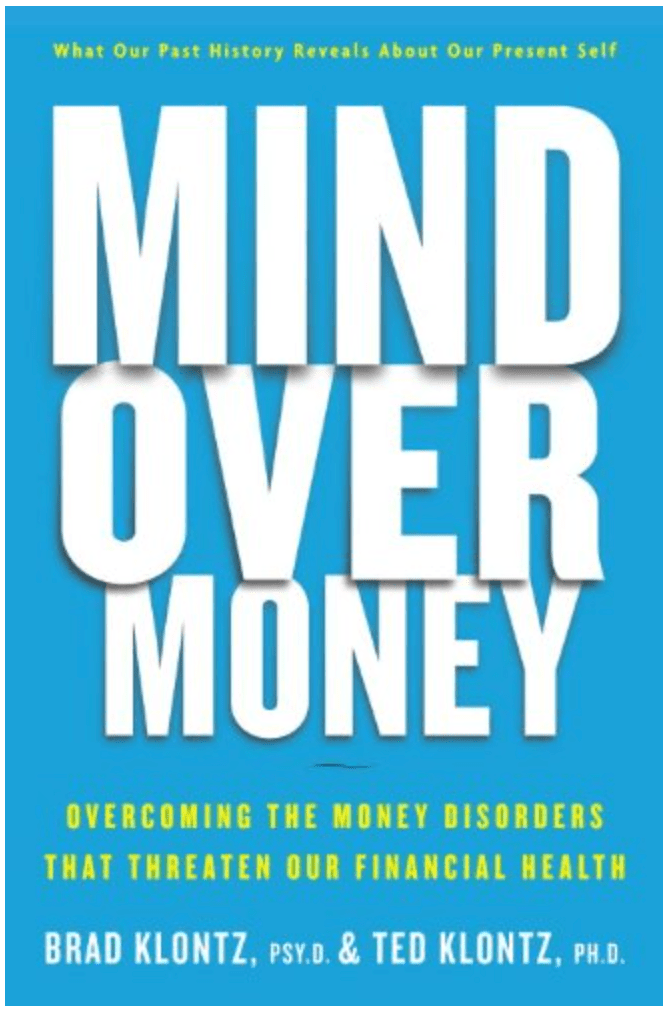
“Mind Over Money” by Brad Klontz
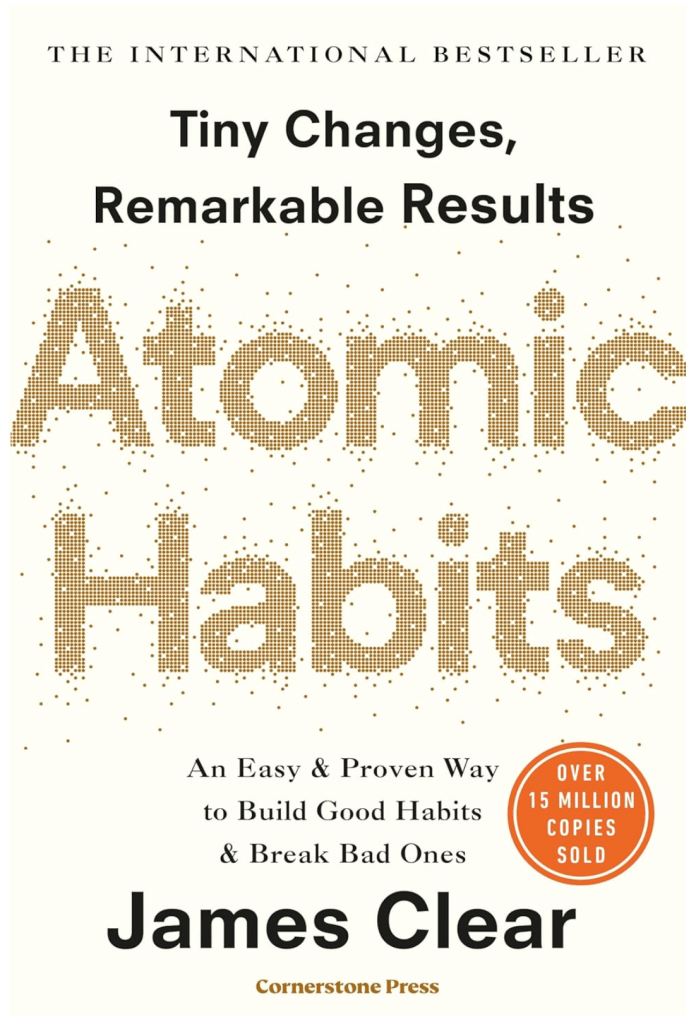
“Atomic Habits” by James Clear (not money-specific, but great for behavior change!)
🌟 Final Thought
In uncertain times, being kind to yourself financially is more powerful than being perfect. Understanding your financial psychology isn’t just about money — it’s about taking care of your mental health, your future, and your sense of peace.
You’re not behind. You’re just getting started — with awareness, intention, and maybe a cozy budgeting tracker. 💖
 The Money Glow
Leave a comment