
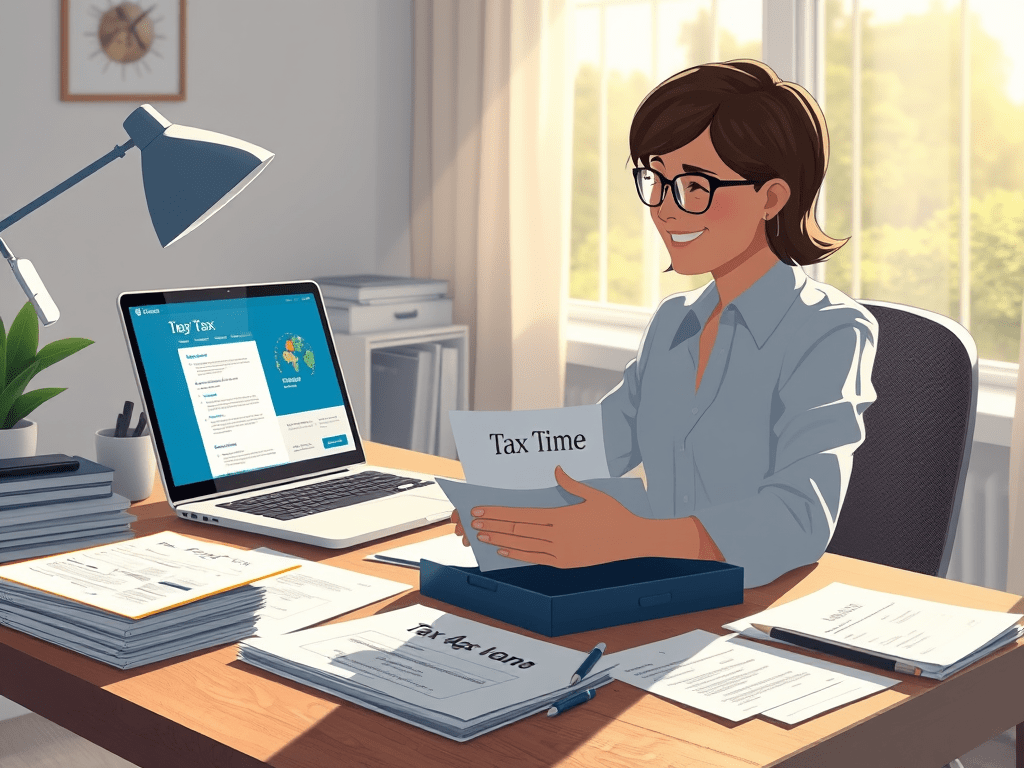
It’s that time of year again—tax time in Australia! Whether you’re a seasoned lodger or it’s your first time filing, it’s easy to feel overwhelmed. However, with a little prep and the right info, you can feel in control, maybe even score a decent refund.
Here’s a simple guide to help you get ready, stay organised, and lodge with confidence.
1. Know the Dates
The Australian financial year runs from 1 July to 30 June, and most individual tax returns are due by 31 October if you’re lodging it yourself. If you’re using a registered tax agent, you usually have longer—but you need to be registered with them before 31 October.
2. Gather What You Need
Before you even open MyGov, make sure you have all your paperwork ready. This includes:
- Income Statements from employers (most are auto-uploaded via Single Touch Payroll and ready to be checked on MyGov)
- Bank interest and dividends (these can also be automatically loaded to your tax lodgement portal via ATO, however, you will need to give it some times for them to appear – read more in #4 below)
- Private health insurance info
- Centrelink payments (if any)
- Investment income or loss (crypto, shares, property, etc.)
- Work-related expense receipts
- Superannuation contributions (if you made extra payments)
Tip: Start a “tax folder” in your email or on your computer each year to drop receipts, invoices, or anything tax-related.
3. Know What You Can Claim
Deductions reduce your taxable income—and potentially your tax bill—so don’t skip them. Some common deductions include:
- Work-related expenses (e.g., uniforms, tools, home office costs if you work from home)
- Self-education or upskilling costs related to your current job
- Donations to registered charities
- Vehicle and travel expenses (if you use your car for work)
Hot tip: If you’ve been working from home, you can claim certain costs. Check out ATO’s website for further detail.
4. Double-Check Before You Lodge
The ATO starts pre-filling your data in early July, but some info (like health insurance or investment earnings) can take a few weeks to show up. If you lodge too early, you might miss something and need to amend your return later.
Unless you’re in a hurry, it’s usually best to wait until late July or early August to ensure everything’s pre-filled correctly.
5. Use a Tax Agent if You’re Unsure
If your finances are more complex—maybe you have investments, a side hustle, or crypto—it’s worth getting professional help. A tax agent’s fee is also tax-deductible next year.
6. Plan Ahead for Next Year
Once you’ve lodged, take a moment to plan for the next financial year. Keep better records, set reminders, and review your withholdings if you owed money. A little effort now can make next year’s tax time smoother.
Final Thoughts
Tax time doesn’t have to be stressful. With the right info and a bit of preparation, you can lodge with confidence and pretty quickly—and maybe even get a nice refund surprise. 💰
Let this be the year you feel on top of your taxes—not the other way around.
Want more tips? Subscribe to my newsletter for smart, simple money advice—tailored for Aussie readers!
 The Money Glow
Leave a comment